Quick Answer / Summary
November is an excellent time for Lehigh Valley homeowners to inspect their windows and exterior doors before winter arrives. Check for drafts, worn weatherstripping, damaged caulking, moisture, and hardware problems. Clean window tracks, clear drainage openings, and make sure doors and windows operate securely. Addressing minor maintenance issues now can improve comfort, help prevent moisture damage, and reveal when professional evaluation or replacement may be necessary.
Key Takeaways
- Look for air leaks: Worn weatherstripping and gaps around frames can allow heated air to escape.
- Examine seals and caulking: Damaged exterior joints may leave windows and doors vulnerable to air and water intrusion.
- Check operation and security: Windows and exterior doors should open, close, latch, and lock properly.
- Clear away debris: Clean accessible tracks and keep designed drainage openings unobstructed.
- Recognize bigger problems: Persistent leaks, deteriorating frames, and condensation between glass panes deserve professional attention.
November has a way of reminding Lehigh Valley homeowners that winter isn’t far behind. The trees along Allentown’s streets are nearly bare, temperatures are dropping, and those familiar cold-weather preparations are underway.
For many families, caring for the home is a tradition in itself. A little attention each season helps preserve the comfort, character, and condition of a place that means so much.
Windows and doors deserve a spot on that November to-do list.
Across Allentown, Bethlehem, Easton, and neighboring communities, older homes and newer properties alike face Pennsylvania’s changing temperatures, rain, wind, and eventual winter freezes. A worn seal or stubborn door may seem minor in autumn but become more troublesome as colder weather settles in.
At Penn Windows & Doors, we’ve spent generations helping Lehigh Valley homeowners make thoughtful decisions about their homes. We believe good workmanship starts with understanding what a home needs, including when a simple maintenance task may be enough.
Here’s our practical checklist for preparing your windows and doors for the months ahead.
What Should You Check Around Your Windows Before Winter?
Begin with a careful visual inspection, both inside and outside where safely accessible. Pay particular attention to windows that face prevailing winds or have shown signs of trouble in previous winters.
Are Your Windows Letting in Cold Air?
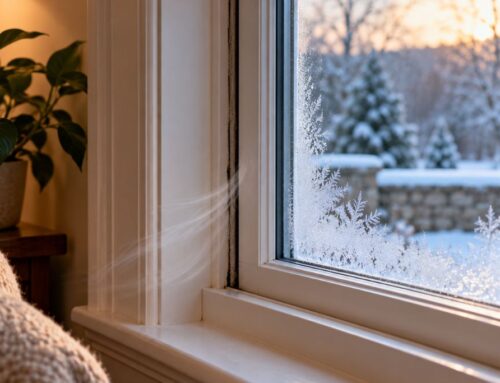
On a cool, windy November day, check around closed window sashes and frames for noticeable air movement.
Look for:
- Cracked, flattened, or missing weatherstripping.
- Visible gaps between the sash and frame.
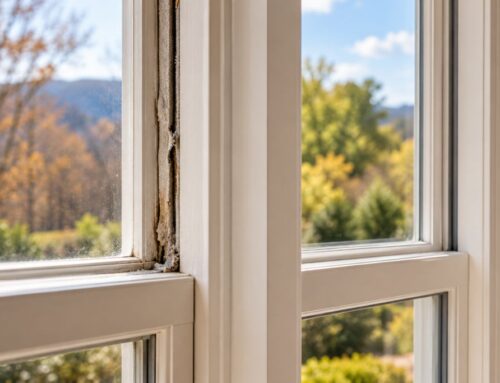
- Deteriorating sealant around exterior joints.
- Windows that no longer close or lock properly.
Keep in mind that feeling cold near a window doesn’t always mean there’s an air leak. Cold glass can also make the surrounding area feel uncomfortable through heat transfer.
If you do find a draft, the solution may be as straightforward as replacing compatible weatherstripping or addressing an appropriate sealant joint. Persistent air leakage, however, may point to a larger issue with the window or its installation.
Is There Condensation or Moisture Around the Glass?
Where moisture appears makes a difference.
Condensation on the interior glass surface often results when warm, humid indoor air meets colder glass. It doesn’t automatically mean the window is defective. However, persistent moisture should be addressed to help protect nearby trim and finishes.
Fogging between the panes of an insulated glass unit is different. It can indicate a failed glass seal that requires professional evaluation.
Also watch for water stains, peeling paint, soft wood, or discoloration around the frame. These may signal moisture intrusion that deserves further investigation.
Are Window Tracks and Drainage Openings Clear?
Fallen leaves, dirt, and debris can accumulate in window tracks during autumn.
Clean accessible tracks gently and check that any manufacturer-designed drainage openings remain unobstructed.
These openings, often called weep holes, allow water to drain from certain window systems. Never cover them with caulk or other materials.
Because window designs vary, follow the manufacturer’s maintenance recommendations.
What Should You Inspect on Exterior Doors in November?
Your exterior doors work hard throughout the year. Before freezing temperatures become more frequent, make sure they’re closing securely and keeping unwanted air and moisture outside.
Is the Weatherstripping Still Doing Its Job?
Examine the seals along the top and sides of each exterior door, along with the door sweep or threshold seal.
Watch for:
- Cracked, compressed, or missing weatherstripping.
- Daylight visible around a properly closed door.
- Gaps beneath the door.
- Drafts around the frame or threshold.
Worn weatherstripping can often be replaced without replacing the entire door. Use materials compatible with the existing system to maintain proper operation and sealing.
Does Your Door Close and Lock Properly?
Open and close each exterior door several times.
Check for rubbing, sticking, loose hinges, sagging, or locks that don’t engage smoothly.
Wood and other building materials can respond to changes in temperature and humidity. However, ongoing alignment problems may also indicate worn hardware, frame movement, or other issues.
If a door is difficult to secure, identify the underlying problem rather than forcing the lock or making major adjustments.
Are the Threshold and Door Frame in Good Condition?
Inspect the threshold, surrounding frame, and nearby flooring for water stains, deterioration, or damaged finishes.
This is especially worthwhile in older Allentown and Bethlehem homes, where original wooden components may have endured decades of seasonal exposure.
Check accessible exterior sealant joints, but avoid sealing areas designed for drainage.
What Should Be on Your November Window and Door Checklist?
Before winter settles across the Lehigh Valley, take a few minutes to work through these essential maintenance tasks:
- Check closed windows for drafts and visible gaps.
- Examine window and door weatherstripping for wear.
- Inspect exterior caulking and appropriate sealant joints.
- Look for moisture, water stains, and condensation between glass panes.
- Clean accessible window tracks and drainage openings.
- Test window locks, latches, and opening mechanisms.
- Inspect exterior door sweeps, thresholds, and frames.
- Check hinges, alignment, and locking hardware.
- Record recurring problems or signs of deterioration.
For any cleaning, lubrication, or sealing work, follow the product manufacturer’s instructions. Sealants have specific application temperatures and curing requirements, which become especially important during Pennsylvania’s colder November days.
Avoid unsafe ladder use when inspecting upper-story windows or exterior components.
When Should You Consider Replacing Windows or Doors?
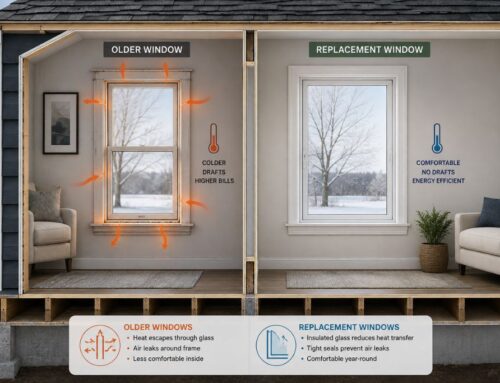
Routine maintenance can address many common problems. A draft or worn seal doesn’t automatically mean it’s time for new windows or doors.
However, replacement may be worth considering when you notice:
- Persistent drafts despite properly functioning weatherstripping.
- Recurring leaks or significant frame deterioration.
- Failed insulated glass units that cannot be practically repaired.
- Windows or doors that remain difficult to operate or secure.
- Multiple ongoing problems with aging units.
A failed insulated glass seal doesn’t always require replacing the entire window. Depending on the product and its condition, replacing the glass unit may be possible.
At Penn Windows & Doors, we’ve served the Lehigh Valley since 1948. As a third-generation family-owned business, we believe in helping homeowners understand their options before making an investment.
Our expertise includes custom OKNA vinyl replacement windows and patio doors, along with quality ProVia entry and storm door systems. We pair carefully selected products with professional installation and personal service.
We also stand behind eligible installations with our 10-year workmanship and service warranty, subject to its terms and product-specific exclusions.
While we don’t provide general repair services for windows or doors installed by other companies, we’re happy to help homeowners explore replacement options when an existing system has reached the end of its useful life.
Frequently Asked Questions About November Window and Door Maintenance
How Can I Tell if My Windows Need New Weatherstripping?
Look for cracked, flattened, loose, or missing weatherstripping around the window sash. Noticeable air movement around a properly closed window can also indicate a problem.
However, drafts may result from misalignment, installation gaps, or other conditions. Identify the source before replacing materials.
Use weatherstripping compatible with your window system and follow the manufacturer’s instructions to avoid interfering with proper operation.
Is Condensation on My Windows a Sign They Need Replacing?
Not necessarily. Condensation on the room-facing glass surface often occurs when indoor humidity meets colder glass.
Improving ventilation and managing indoor humidity may help. Persistent condensation should still be addressed to protect surrounding finishes.
Moisture trapped between insulated glass panes is different and may indicate seal failure. A professional can determine whether glass-unit replacement or another solution is appropriate.
Can I Replace Exterior Door Weatherstripping Myself?
Some door sweeps and weatherstripping are suitable for homeowner replacement, provided the materials match the existing door system.
However, specialized entry doors may require manufacturer-approved components. Incorrect materials can interfere with closing, locking, or drainage.
If the door is severely misaligned or damaged, professional evaluation may be preferable to installing thicker weatherstripping.
Should I Apply New Caulk Around My Windows and Doors in November?
You can address appropriate exterior sealant joints in November when weather and product requirements allow.
However, caulking products have specific temperature, moisture, and curing requirements. Cold or wet conditions may prevent proper adhesion.
Follow manufacturer instructions and never seal window drainage openings or joints designed to remain open. Improper caulking can trap moisture and create additional problems.
Is November Too Late to Replace Windows or Exterior Doors?
Not necessarily. Professional installations can take place during colder months when weather, site conditions, and product requirements permit.
Scheduling may depend on temperature, precipitation, and the materials needed for proper installation.
For homeowners in Allentown, Emmaus, Whitehall, and neighboring Lehigh Valley communities, November can still be a practical time to discuss replacement options and plan an installation.
Caring for Your Home Is Always Time Well Spent
A November inspection is a simple way to look after the home you’ve worked hard to maintain. A properly sealed window, a secure entry door, and a little preventive attention can make a meaningful difference as winter approaches.
At Penn Windows & Doors, we’ve always believed that taking pride in your home means caring for the details, season after season. It’s the same respect for lasting quality and good workmanship that has guided our family business for generations.
Your Home Deserves the Penn Windows & Doors Tradition
Since 1948, we’ve helped Lehigh Valley families invest in windows and doors with confidence, combining dependable products, skilled installation, and the personal attention of a local, family-owned business.
If your November checklist reveals that it’s time to consider an upgrade, we’re here to help you make a well-informed decision.